


Bond Cleaning Checklist For Salt, Humidity & Outdoor Areas
Outdoor surfaces stained from salt spray, metal fixtures starting to corrode, and humidity induced mould are common culprits behind failed inspections. The solution? A bond cleaning checklist tailored specifically to salty, humid regions and exposed outdoor surfaces. These coastal obstacles usually require a greater amount of attention, with every corner exposed to the elements repaired to inspection ready condition. With the right technique, tenants can prevent unexpected deductions and return the property with confidence.
This guide will provide you with a practical overview, of what to clean, how to deal with weather affected areas and why coastal situations, necessitate particular attention during a bond clean. This piece describes the necessary procedures, for efficiently managing salt, humidity and outside areas, allowing renters to stay ahead of common inspection difficulties. For individuals needing professional assistance choices such as expert end of lease cleaning Newcastle are available, which offer more customised solutions for seaside properties.
Hide
Show
- Removing Salt Buildup From Hard Surfaces
- Tackling Humidity Induced Mould and Mildew
- Cleaning Metal Fixtures and Preventing Corrosion
- Washing and Restoring Outdoor Flooring
- Managing Outdoor Furniture and Accessories
- Checking Drains, Gutters and Outdoor Water Flow
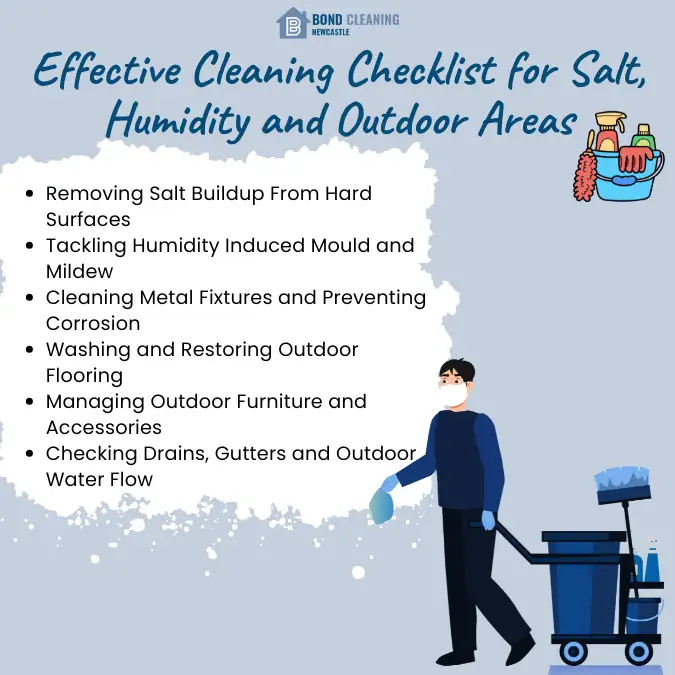
- Infographic For Effective Cleaning Checklist for Salt, Humidity and Outdoor Areas
- Wrapping Up
1. Removing Salt Buildup From Hard Surfaces
Salt spray is a big cleaning challenge for tenants in coastal regions. Over time, salt forms a thin film over tiles, walls, glass panels and even patio furniture, making surfaces appear dull or streaked. If ignored, this buildup hardens and becomes difficult to remove, which can stand out immediately during a final inspection. Thoroughly washing hard surfaces with warm water and a mild detergent is the first step, but a white vinegar rinse can help cut through stubborn salt crust and restore clarity.
Glass balustrades, outdoor windows, sliding doors and balcony screens, often show the most visible signs of salt exposure. These areas need careful scrubbing, with nonabrasive sponges to avoid scratching, while breaking down mineral residue. Once cleaned, dry these surfaces with a microfiber cloth to prevent additional marks. Pay special attention to outdoor focal points to improve the appearance of the space and aligns it with the expectations of property managers.
2. Tackling Humidity Induced Mould and Mildew
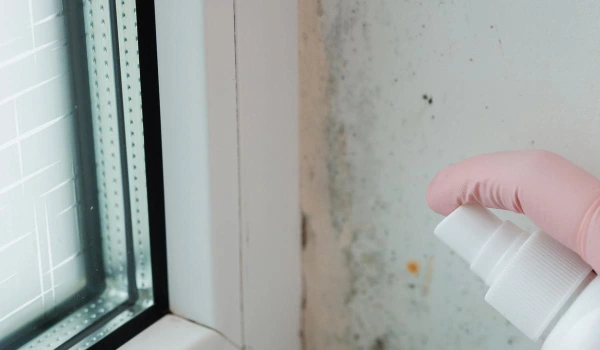
High humidity, is an unavoidable factor in many coastal places, creating the ideal habitat for mould and mildew to thrive. Outdoor cushions, wooden decks, pergola frames and even external walls, can develop black patches that darken with time. Tenants must address these areas right away, with mould specific cleaning solutions or natural alternatives, like diluted clove oil. These treatments penetrate porous materials and assist, to keep spores from returning fast, resulting in a longer lasting clean.
Check for mould in concealed or less visible spots such as behind outdoor taps, under pot plants and along the edges, of sliding door tracks. These are areas where moisture tends to accumulate and ventilation is restricted. A thorough cleaning with a brush and disinfectant helps to restore these parts to their natural state. Many renters who employ services like reliable end of lease cleaning Newcastle, appreciate the fact that professionals usually know exactly where mould hides, saving time and lowering the stress associated with last minute cleaning.
3. Cleaning Metal Fixtures and Preventing Corrosion
Metal fixtures such as handrails, door handles, outdoor light fittings and balcony supports, are highly susceptible to corrosion when exposed to salty air. A slight tarnish can quickly turn into rust spots /discolouration, which property managers’ view as signs of neglect. Clean these with warm soapy water and lightly scrub with a non scratch pad to remove superficial corrosion. For more stubborn stains, a paste made from baking soda and water, can help lift oxidation without damaging, the metal.
After cleaning the fixtures, add a tiny amount of preventive oil or metal polish to resist future corrosion and leave a cleaner, more polished appearance. Stainless steel appliances and outdoor barbeques also benefit from this additional layer of protection, as fingerprints and salt marks appear more quickly. These additional steps not only improve presentation but also demonstrate responsible maintenance, which can be particularly important in coastal rental agreements.
4. Washing and Restoring Outdoor Flooring
Outdoor flooring bears the brunt of salt, weather and foot traffic, making it one of the most scrutinised areas during a bond clean. Tiles, concrete, timber decking and paved surfaces all accumulate compacted grime over time, especially in damp /shaded corners. A high pressure wash is effective but verify your tenancy agreement beforehand as certain properties, may need gentler methods. A stiff broom, a long handled scrubbing brush and a proper cleaning solution, can remove grime and embedded residue.
Cleaning timber decking should be done with caution, to avoid splintering or peeling the wood. Using a timber safe cleanser, followed by a gently scrub helps to protect the grain, while removing mildew patches or salt residues. Allowing the deck to dry thoroughly after washing, lowers the probability of streaks or water stains emerging. Maintaining high quality outdoor flooring, not only impresses the property management but it also demonstrates, the tenant’s commitment to the rental.
5. Managing Outdoor Furniture and Accessories
Outdoor furniture often weathers poorly in salty, humid environments; even if it’s marketed as waterproof or UV resistant. Fabric cushions may develop mould spots, timber chairs might fade or absorb moisture and metal frames can corrode. Before the final inspection, cushions should be cleaned, dried and deodorised. If stains remain, spot cleaning with fabric safe solutions or mild detergents to improve their appearance. Timber furniture too benefits from a wipe down using a damp cloth followed by a natural oil to restore its original colour.
Umbrellas, outdoor mats, planters and decorative items are also part of the bond cleaning checklist, even if they don’t appear prominently in inspection guidelines. Wipe off these things to eliminate any dust, debris, or salt residue. Pots, in particular, should be checked at the base, where moisture likes to build up. Many renters are startled to realise that, neglected outdoor accessories can influence inspection results so fixing them early on, ensures that nothing is overlooked in the final assessment.
6. Checking Drains, Gutters and Outdoor Water Flow
Salt and humidity not only affect visible surfaces; they can also create blockages or moss growth in outdoor drains and gutters. During a bond clean, it’s important to ensure that outdoor drainage points are free of leaves, sand and built up debris. Blockages can cause water pooling, which quickly leads to mould, and property managers often inspect these areas more closely than expected. Cleaning the grates, flushing the drains and removing trapped material can significantly improve overall presentation.
Gutters and downpipes, while not always included in tenant responsibilities, may still show signs of moss or leaf buildup in coastal regions. If they fall within your cleaning obligations, a quick clear out can prevent overflow issues and improve the property’s exterior appearance. This is especially relevant in homes close to beaches, where windblown debris is common. Renters who hire specialists such as teams offering professional end of lease cleaning Newcastle often appreciate that professionals have equipment suited for higher or harder to reach exteriors.
Infographic For Effective Cleaning Checklist for Salt, Humidity and Outdoor Areas
Wrapping Up
Cleaning for salt, humidity and external exposure, adds another layer of difficulty to the bond cleaning process, but with a well organised checklist tenants may properly address, each obstacle. Renters can ensure a smooth, stress free bond return and leave their beachfront house in good condition, by organising everything ahead of time and paying attention to the finer details.