


Is White Vinegar Safe for Cleaning All Surfaces? A Complete Guide
White vinegar has earned a loyal following in the world of natural cleaning and for a good reason. It is affordable, eco friendly and surprisingly effective at tackling dust, grease and even odours. From kitchen counters to bathroom tiles, many households rely on this humble pantry staple as a go to solution for everyday cleaning tasks.
However, while white vinegar works wonders on many surfaces; it is not a one time fits all solution. Using it incorrectly can actually damage certain materials; leaving you with costly repairs instead of a sparkling home. Here is a complete white vinegar cleaning guide. Whether you are preparing for a move or planning a budget end of lease cleaning Newcastle, understanding where and how to use vinegar safely becomes even more important.
Hide
Show
- What Makes White Vinegar a Powerful Cleaner?
- Surfaces That Are Safe to Clean with White Vinegar
- Surfaces You Should Never Clean with Vinegar
- Tips for Using White Vinegar Safely
- Is White Vinegar Enough for Deep Cleaning Tasks?
- Common Mistakes to Avoid When Cleaning with Vinegar
- Infographic For Ultimate White Vinegar Cleaning Guide
- Wrapping Up
1. What Makes White Vinegar a Powerful Cleaner?
White vinegar contains acetic acid, typically around 5%, which gives it its cleaning power. This mild acid can break down grime, dissolve mineral deposits and kill certain types of bacteria. That’s why it’s often used for descaling kettles, cleaning glass and removing soap scum from bathroom surfaces.
Another reason people love white vinegar, is its natural composition. Unlike harsh chemical cleaners, it doesn’t release toxic fumes or leave behind harmful residues. This makes it a safer choice for households with children, pets or anyone sensitive to strong cleaning agents.
2. Surfaces That Are Safe to Clean with White Vinegar
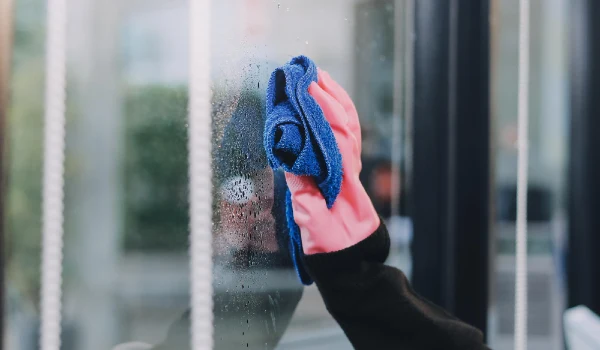
White vinegar works brilliantly on many common household surfaces. Glass is one of its best matches, leaving windows, mirrors and shower screens streak free and shiny. It’s also effective on ceramic tiles, stainless steel appliances, and laminate surfaces, making it a versatile addition to your cleaning routine.
In kitchens and bathrooms, vinegar can help remove limescale, grease, and mild stains. It’s especially useful for cleaning taps, sinks, and even inside appliances like microwaves. During end of lease cleaning Newcastle, vinegar can be a reliable solution for tackling stubborn buildup in areas that need to look spotless for inspection.
3. Surfaces You Should Never Clean with Vinegar
Despite its versatility, vinegar is not suitable for all surfaces. Natural stone materials like marble, granite and limestone are highly sensitive to acids. Using vinegar on these surfaces can cause etching, dullness, and permanent damage over time.
Wooden floors and furniture are another no go zone. The acidic nature of vinegar can strip away protective finishes, leaving wood looking worn and lifeless. Additionally, avoid using vinegar on electronic screens, waxed surfaces and rubber seals, like those in washing machines, as it can degrade these materials and reduce their lifespan.
4. Tips for Using White Vinegar Safely
Using white vinegar correctly can make a big difference in how effective and safe your cleaning routine is. While it’s a natural cleaner, a few simple precautions will help you avoid damage and get the best results.
- Dilute before use: Mix white vinegar with water in a 1:1 ratio to reduce acidity while maintaining cleaning power.
- Spot test first: Always test on a small, hidden area to make sure that it doesn’t damage or discolour the surface.
- Avoid mixing with bleach: Combining vinegar with bleach, releases toxic chlorine gas, which is harmful to inhale.
- Use the right cloth: Opt for soft microfibre cloths or sponges to prevent scratches on delicate surfaces.
- Rinse after cleaning: For certain surfaces, especially metals, rinsing with water helps prevent residue or corrosion.
- Ventilate the area: Even though it’s natural, vinegar has a strong smell. Good airflow makes cleaning more comfortable.
5. Is White Vinegar Enough for Deep Cleaning Tasks?
While white vinegar is excellent for everyday cleaning, it may not always be sufficient for deep cleaning or sanitising heavily soiled areas. For instance, it doesn’t effectively kill all bacteria and viruses which can be a concern in high touch areas like kitchens and bathrooms.
If you’re preparing for a final inspection, relying solely on vinegar might not deliver professional level results. In such cases, combining vinegar with other safe cleaning methods or hiring professionals for end of lease cleaning Newcastle can ensure your property meets the required standards and helps secure your bond refund.
6. Common Mistakes to Avoid When Cleaning with Vinegar
While white vinegar is simple to use, a few common mistakes can reduce its effectiveness or even cause damage. One of the biggest errors people make, is assuming vinegar is safe for every surface without checking compatibility. Materials like, natural stone and wood can react poorly to its acidic nature, leading to dullness or permanent damage. Using undiluted vinegar too often, is another mistake, as it can gradually wear down protective finishes and seals.
Another common issue is relying on vinegar for deep sanitisation. Although it has mild antibacterial properties, it is not a strong disinfectant and may not eliminate all germs effectively. For tasks that require a higher level of cleanliness, especially during end of lease cleaning; it’s best to combine vinegar with other suitable cleaning products or methods to ensure a thorough and hygienic result.
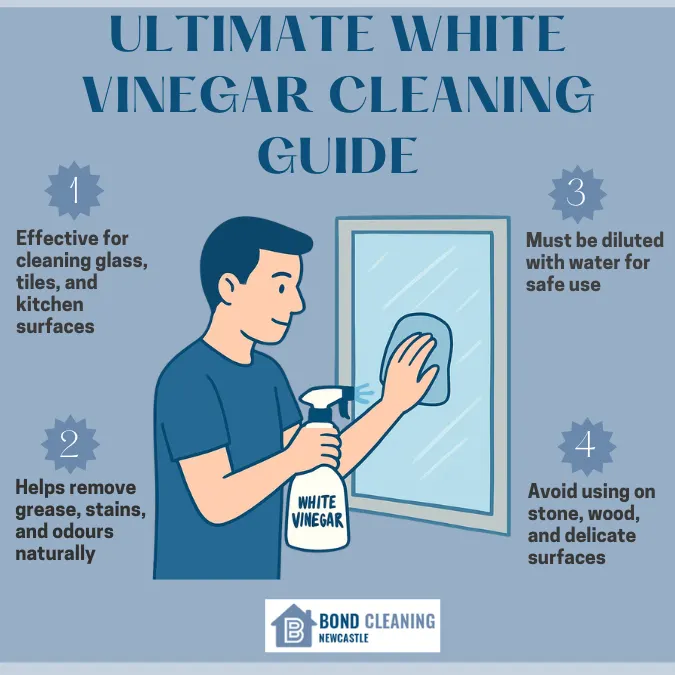
Infographic For Ultimate White Vinegar Cleaning Guide
Wrapping Up
White vinegar is undoubtedly a valuable addition to any cleaning routine. It’s natural, budget friendly, and effective for a wide range of surfaces. However, knowing its limitations is just as important as understanding its benefits. Using it on the wrong materials can lead to damage that outweighs its advantages. With the right knowledge, you can make your cleaning routine both safe and efficient without any unwanted surprises.