


8 Cleaning Products You Should Never Mix
Maintaining a tidy home environment promotes good health, prosperity and a positive mindset. However, the process can be tedious without the right supplies and cleaning products. Effective cleaning solvents and disinfectants available in the market can eliminate the buildup of grease, germs, bacteria, and mould, ensuring a hygienic living space.
However, many homeowners think that if one product works wonders, mixing it with another will help achieve spotless results quickly. Be cautious, as this is one of the biggest blunders that can lead to serious health risks if not followed properly. Mixing two wrong chemicals can cause toxic fumes, breathing issues, poisonous gas release, skin or eye irritations, and even fire hazards.
Worry not! We bring you a comprehensive list of 8 cleaning products you should never mix. It is also recommended to book professionals for a top quality end of lease cleaning Newcastle. They carefully read the labels before using cleaning products on any surface. For safe, sound cleaning, keep reading.
Let’s Get Started!
Hide
Show
- Bleach + Vinegar = Chlorine Gas and Coughing
- Ammonia + Bleach Based Cleaning Products = Toxic Fumes & Breathing Shortness
- White Vinegar + Baking Soda = Causing a Fizzy Reaction
- Hydrogen Peroxide + Vinegar = Peracetic Acid
- Bleach + Rubbing Alcohol = Chloroform
- Two Different Drain Cleaners
- Lemon + Bleach = Harmful Chemical Gas
- White Vinegar + Castile Soap
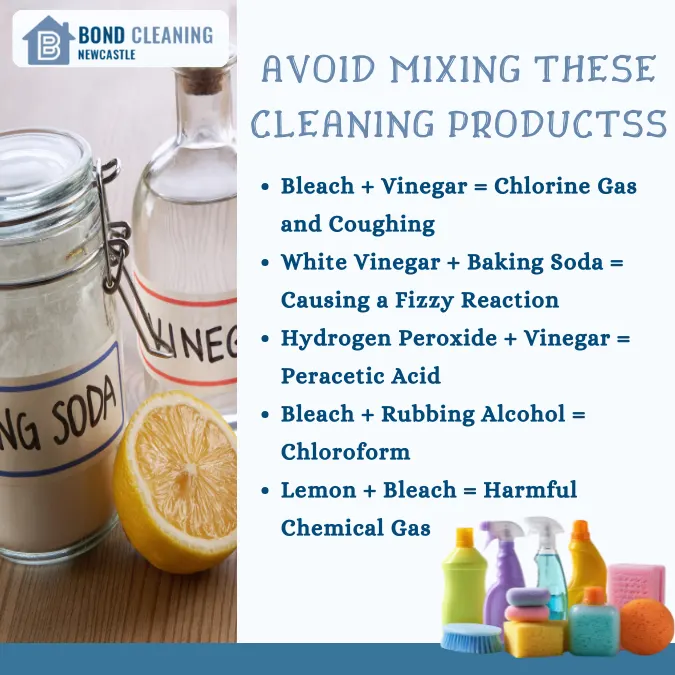
- Infographic: Avoid Mixing These Cleaning Products
- Wrapping Up
1. Bleach + Vinegar = Chlorine Gas and Coughing
There is no denying that bleach is one of the most effective traditional cleaning products for removing grease, grime, and gunk from surfaces. But it contains chemicals that can cause indoor air pollution. On the other hand, vinegar is a natural cleaning agent that contains acidic properties. It can effectively remove rust stains, pet messes, hard water stains and other grime without causing any damage.
However, the combination of the two can produce poisonous chlorine gas in the air. The toxic gas can trigger respiratory disorders, such as coughing, breathing issues, and even a burning sensation in the eyes.
Instead, use white vinegar and warm water solution to spruce up your home, windows, microwave and bathroom surfaces while maintaining a toxic free indoor environment.
2. Ammonia + Bleach Based Cleaning Products = Toxic Fumes & Breathing Shortness
Store bought toilet cleaners, floor cleaners and grease remover contains ammonia. It is one of the most powerful but hazardous chemicals that can be lethal if inhaled regularly. When combined with bleach, the duo can release a toxic gas called chloramine. What’s worse! It can cause symptoms such as shortness of breath, coughing, eye irritation, and even chest pain.
If you are looking for a safe and sound solution, mix one part vinegar with an equal part of warm water and mild dishwashing soap. This will help you clean exhaust fans, windows, ceiling fans, walls, kitchen appliances, etc without causing any damage.
3. White Vinegar + Baking Soda = Causing a Fizzy Reaction
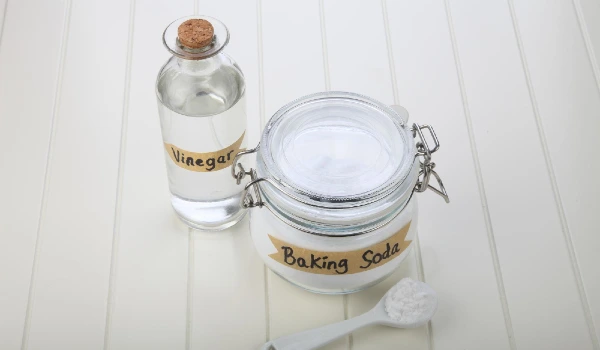
Baking soda and white vinegar are the most versatile, eco friendly cleaning products that can enhance the overall look and feel of your home. However, mixing these two different products can release fizz. Baking soda is alkaline in nature, while vinegar is highly acidic. When combined, the two repel each other, producing carbon dioxide.
When bubbling stops, the mixture is mostly water. It even fails to remove stubborn stains, mould and mildew. You should never mix in a container!
4. Hydrogen Peroxide + Vinegar = Peracetic Acid
You should never mix these two household cleaning chemicals when sprucing up your home. The duo tends to release peracetic acid, a highly caustic chemical commonlyused in industrial sanitisers. Excessive exposure to liquid peracetic acid can cause:
- Coughing
- Breathing problems
- Skin infections
- Chronic lung disease, if inhaled, the fumes
It is good to hire professionals for an expert end of lease cleaning Newcastle and secure your hard earned bond money. They follow safety protocols when using chemical cleaning products inside the home.
5. Bleach + Rubbing Alcohol = Chloroform
Do you know the side effects of mixing bleach with rubbing alcohol? It releases chloroform, a highly volatile compound that can cause breathing problems, eye irritation and chronic coughing, especially for people with pre existing asthma symptoms. Use both products separately for spotless results.
Rubbing alcohol or isopropyl alcohol is a great alternative to store bought disinfectants. Use 70 per cent rubbing alcohol to kill germs and bacteria. You can also use methylated spirits for top notch cleaning results.
6. Two Different Drain Cleaners
Store bought drain cleaners contain hazardous chemicals in specific proportions to unclog drains quickly and easily. However, combining two different products can create a dangerous chemical cocktail that can even damage the surface. It’s always best to use natural cleaning products to unclog and clean your kitchen and bathroom drains.
7. Lemon + Bleach = Harmful Chemical Gas
Lemon is undeniably one of the most effective household cleaning products that can effectively descale surfaces, disinfect cutting boards and freshen up your microwave. However, you should never mix lemon with bleach. It only produces toxic chlorine gas, which can cause respiratory disorders such as coughing, sneezing, and breathing issues.
8. White Vinegar + Castile Soap
This duo is another example that may not cause toxic fumes but is highly ineffective. When mixed together, they don’t make an effective cleaner. Instead, white vinegar destabilises the soap, leaving behind nasty residue. If you are at the end of your tenancy, contact the best company for a budget end of lease cleaning Newcastle. They not only understand bond cleaning rules in NSW but also adhere to strict cleanliness polices and use environmentally safe products to tackle stubborn stains, mould and germs.
Infographic: Avoid Mixing These Cleaning Products
Wrapping Up
These are some combinations that are either ineffective or highly toxic. You should always read the instructions and labels before using any cleaning product on a specific surface. Also, prefer ecofriendly products that don’t emit toxic fumes or have a pungent smell to maintain a tidy, hygienic indoor environment.