



What Is Pink Mould And How To Combat It?
Have you ever noticed a slimy, pinkish residue creeping along your shower curtains, bathroom tiles or sink edges? It might seem harmless; just another stain that needs a quick wipe. However, this pink mould is more than just a stain. It thrives in damp environments and can quickly spread if left untreated; turning your clean looking bathroom into a breeding ground for bacteria.
This article will guide you on what pink mould is and how to combat it. Understanding how to effectively tackle it is essential for maintaining a hygienic home. Whether you are dealing with everyday cleaning or preparing for budget end of lease cleaning Newcastle; addressing pink mould properly can make a significant difference in both cleanliness and health standards.
1. What is Pink Mould?
Despite its name, pink mould is not technically mould at all. It is usually a type of bacteria known as Serratia Marcescens, which thrives in moist and humid environments. This bacteria feeds on soap residue, shampoo and other organic materials commonly found in bathrooms and kitchens; making these areas particularly vulnerable.
Its pink or reddish hue makes it easy to spot, but that does not mean it is easy to eliminate. Unlike traditional mould, which can grow on walls or ceilings; pink mould tends to cling to wet surfaces like shower corners, toilet bowls and sink drains. Its persistence often leads homeowners to underestimate its resilience and potential health implications.
2. Why is Pink Mould a Problem?
While pink mould may not be as dangerous as black mould, it still poses certain health risks. Exposure can cause infections, particularly in individuals with weakened immune systems. It can also trigger respiratory issues or aggravate allergies if left unchecked for long periods.
Also, pink mould can spread quickly if the conditions are right: high humidity, poor ventilation, and consistent moisture. This not only affects the cleanliness of your home but can also become a concern during inspections. For tenants, failing to address such issues may impact their bond return during end of lease cleaning Newcastle, making it more than just a cosmetic problem.
3. Where Does Pink Mould Commonly Grow?
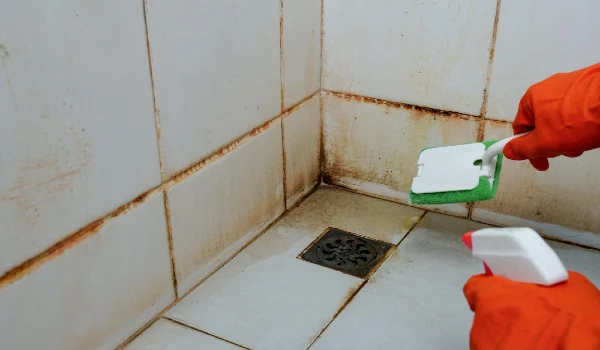
Pink mould thrives in areas where moisture lingers. Bathrooms are the most common hotspots, especially around shower curtains, tile grout, and sink edges. It can also appear in kitchens, particularly near dish racks, drains, and areas exposed to frequent water use.
Another overlooked area is the washing machine, especially the rubber seal in front loading machines. Since these areas remain damp for extended periods, they create the perfect breeding ground for bacteria. Regular inspection of these spots can help prevent the growth from getting out of control.
4. How to Identify Pink Mould Early
Pink mould often starts as a faint, almost unnoticeable film on damp surfaces, which is why many people ignore it in its early stages. It usually appears as light pink, orange, or even reddish streaks around areas exposed to constant moisture, such as shower curtains, tile grout, and sink edges. Catching it early makes removal significantly easier.
Over time, this thin layer can turn into a thicker, slimy residue that becomes harder to clean and more widespread. Regularly inspecting high moisture areas and acting quickly at the first sign of discolouration can save you from dealing with stubborn buildup later. This is particularly important during end of lease cleaning Newcastle, where even minor stains can affect final inspections.
5. How to Effectively Remove Pink Mould
Removing pink mould requires more than just a quick wipe. Start by using a cleaning solution containing bleach or a specialised antibacterial cleaner. Apply the solution to the affected area, let it sit for a few minutes and then scrub thoroughly with a brush to remove the residue.
For a more natural approach, a mixture of vinegar and baking soda can also be effective. However, it may require repeated applications to fully eliminate the bacteria. Consistency is key; simply cleaning the surface once may not prevent it from returning. This is especially important when preparing for detailed cleaning tasks, where thoroughness matters.
6. Preventing Pink Mould from Coming Back
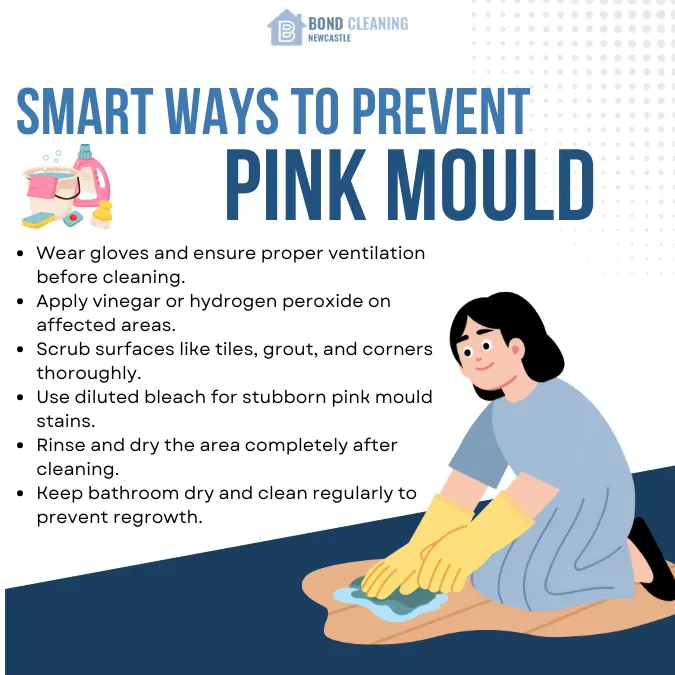
Prevention is the most effective way to deal with pink mould. Since it thrives in moisture, reducing humidity levels in your home is crucial. Ensure proper ventilation by using exhaust fans, opening windows or using a dehumidifier in damp areas.
Regular cleaning routines also play a vital role. Wiping down wet surfaces after use, washing shower curtains frequently and keeping bathroom areas dry can significantly reduce the chances of regrowth. By staying proactive, you not only maintain a cleaner home but also avoid the hassle of dealing with stubborn bacterial buildup in the future.
Infographic For Smart Ways To Prevent Pink Mould
Wrapping Up
Pink mould may appear harmless, but it’s a persistent and potentially harmful issue that shouldn’t be ignored. From understanding its nature to implementing effective cleaning and prevention strategies, taking timely action can save you both effort and stress. A clean, hygienic space not only looks better but also ensures a healthier living environment for you and those around you.